I was struck by something my 10-year-old AuDHD son, Ethan, did recently that left me quietly moved—and reminded me just how layered and powerful the emotional world of neurodivergent kids can be.
For context: Ethan attends a school that uses a points-based incentive system to help students build executive functioning skills—things like keeping a clean desk, remembering homework, or organizing their cubby. These are often challenging for kids with ADHD, so this structure offers tangible rewards (think small toys or treats) in exchange for consistent effort and growth.
One Friday, I met Ethan at the bus stop and he practically burst with excitement. He couldn’t wait to show me what he’d “bought” with his points that day: a miniature skateboard. But not for himself. It was for his 6-year-old sister.
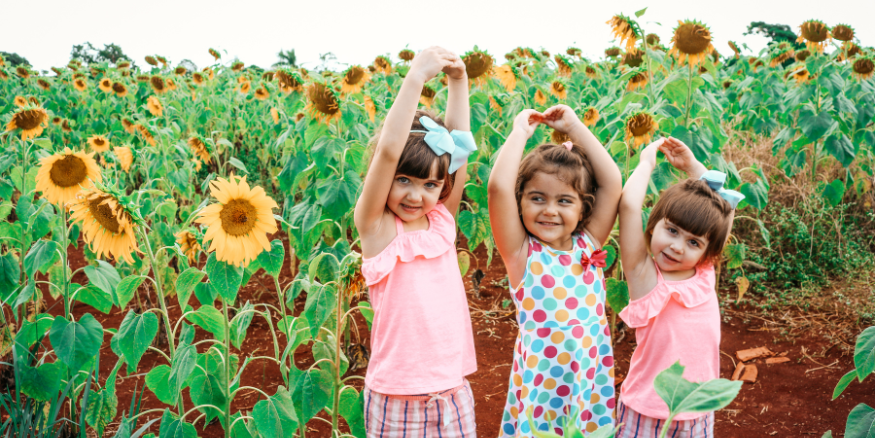
“It had sunflower stickers all over it,” he told me. “They’re her favorite flower. I just had to get it for her.”
I was bowled over—not just by the fact that he’d passed up a reward for himself, but by the thoughtfulness and care embedded in his choice. His sister was equally delighted. It was one of those small but powerful moments of connection that remind us: even amidst sibling bickering and emotionally charged days, love runs deep.
Because yes—just a few days later, this same sweet brother declared (rather dramatically) that he “won’t miss her one bit” when he leaves for summer camp.
Sound familiar?
Sibling dynamics are complex in any family, but when neurodivergent kids are involved, those complexities are often amplified. Emotional regulation challenges, sensory sensitivities, or social communication differences can make sibling interactions even more intense.
But here’s the thing: gestures like Ethan’s skateboard moment can become anchors. When the arguing inevitably happens, we can return to these quieter, deeper truths—reminding our children (and ourselves) of their capacity for kindness and connection.
We, as parents, play a vital role in helping that narrative unfold. We can model love and compassion in our own relationships—with our partners, our siblings, and extended family members. We can point out and reflect on our children’s kind moments, even long after they’ve happened. These small efforts help build a family culture rooted in empathy and emotional safety.
So this week, I invite you to reflect:
🧡 How is love and compassion expressed in your family—especially in the everyday, unscripted moments?
🌻 Are there small gestures you’ve witnessed that deserve to be brought back into the story during difficult moments?
🪁 How can you help your children notice (and celebrate) the ways they care for each other, even if it’s not always through words?
I’d love to hear your stories, too. Feel free to reply and share—these are the moments that make the journey worthwhile.